
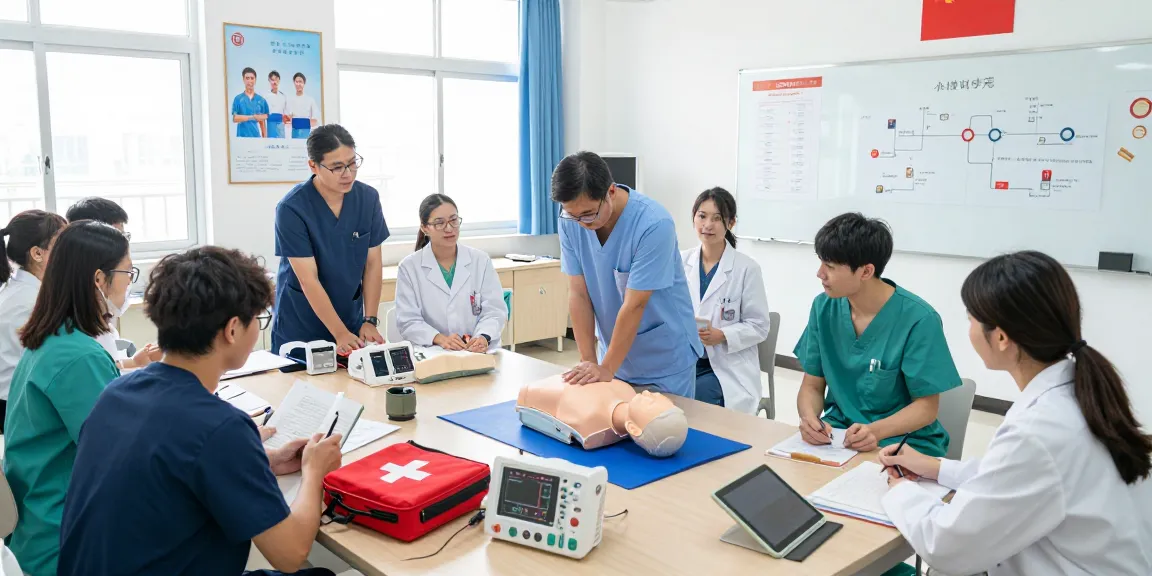
The Importance of Medical Training in Healthcare
In a rapidly evolving healthcare landscape, effective medical training is critical for ensuring patient safety and improving health outcomes. Medical professionals are required to continuously adapt to new technologies, treatment protocols, and regulatory standards. As such, comprehensive training programs are not just beneficial; they are essential for the development of competent healthcare providers. This article delves into the multifaceted importance of medical training, providing insights into its fundamental role in healthcare, the innovative approaches being adopted, and the challenges faced by training institutions.
Understanding the Role of Medical Training
Medical training serves as the backbone of healthcare education, equipping future professionals with the knowledge, skills, and competencies necessary to excel in their roles. This training occurs through various modalities, including formal education in medical schools, residency programs, and ongoing professional development through workshops and seminars.
- Knowledge Acquisition: Trainees learn essential medical concepts, including human anatomy, pharmacology, and diagnostic techniques.
- Skill Development: Practical skills are developed through hands-on experience, simulations, and patient interactions.
- Professionalism and Ethics: Training emphasizes the importance of ethical behavior, communication skills, and empathetic patient care.
Key Benefits of Comprehensive Training Programs
High-quality training programs offer numerous benefits that extend beyond the individual professional. These benefits include:
- Improved Patient Outcomes: Well-trained healthcare providers are better equipped to deliver high-quality care, leading to improved patient outcomes.
- Enhanced Teamwork: Training fosters collaboration among multidisciplinary teams, enhancing the overall functionality of healthcare institutions.
- Increased Job Satisfaction: Professionals who receive comprehensive training often report higher levels of job satisfaction and lower turnover rates.
Common Misconceptions About Medical Training
Despite its importance, several misconceptions about medical training persist. Dispelling these myths is vital for understanding the true value of medical education:
- Myth #1: All medical training is the same. Reality: Training quality can vary significantly across programs.
- Myth #2: Training is only necessary for new professionals. Reality: Ongoing education is essential for all healthcare providers to stay current.
- Myth #3: Practical experience is less important than theoretical knowledge. Reality: Hands-on practice is crucial for skill development.
Innovative Approaches to Medical Training
As the healthcare sector continues to evolve, so too does the approach to medical training. Innovative methodologies are being adopted to enhance the learning experience and improve outcomes for both trainees and patients.
Embracing Technology in Medical Training
The integration of technology into medical training has revolutionized the way healthcare professionals learn. Virtual reality (VR), artificial intelligence (AI), and online learning platforms enable trainees to engage with complex medical scenarios in a controlled environment.
- Virtual Reality Simulations: VR allows for immersive experiences where trainees can practice procedures and diagnose conditions without the risk of harming patients.
- Online Learning Modules: Flexible online courses provide access to a wide range of resources and experts, allowing for continuous learning at the individual’s own pace.
- Artificial Intelligence: AI enhances learning by providing personalized feedback and assessments based on the trainee’s performance.
Hands-On Experience: Simulation and Real-World Practice
Simulations play a pivotal role in medical training, offering a safe space for practitioners to hone their skills. This practical exposure is invaluable for building confidence and competency. Institutions are increasingly using high-fidelity mannequins and real-time feedback mechanisms to replicate real-life scenarios.
- Clinical Simulations: These provide an opportunity to practice patient interactions, decision-making, and emergency responses.
- Standardized Patients: Actors trained to simulate real patients can help trainees practice communication and diagnostic skills in a more authentic context.
Collaboration and Teamwork in Training Environments
Modern medical training emphasizes the importance of teamwork. Collaborative training sessions involving various specialties prepare healthcare providers to work effectively in multidisciplinary teams from the onset.
- Team-Based Learning: This approach encourages cooperation and collective problem-solving among trainees from different medical backgrounds.
- Interprofessional Education (IPE): IPE prepares future healthcare professionals to understand the roles of others, fostering respect and effective communication.
Challenges in Medical Training and How to Overcome Them
While advancements in medical training are encouraging, a number of challenges remain. Addressing these obstacles is essential to maintain and enhance the quality of medical education.
Identifying Common Obstacles in Medical Education
Common challenges faced by medical training programs include:
- Resource Limitations: Many programs struggle with funding, impacting their ability to update technology and resources.
- High Stress and Burnout: The rigorous nature of medical training can lead to burnout among trainees, affecting their performance.
- Rapidly Changing Medical Landscape: Keeping the curriculum updated with the latest advancements can be logistically challenging.
Effective Strategies to Enhance Learning Outcomes
To counteract these challenges, educational institutions can implement several strategies:
- Curriculum Optimization: Regularly updating the curriculum to include new technologies and treatment protocols is essential for relevance.
- Mental Health Support: Providing mental health resources and support services can help prevent burnout and promote well-being among trainees.
- Use of Mentorship: Pairing trainees with experienced mentors can provide guidance and enhance the training experience.
Measuring Training Success and Student Performance
To ensure the effectiveness of medical training programs, institutions must implement robust assessment strategies. These can include:
- Performance Metrics: Using key performance indicators (KPIs) to assess trainee outcomes, retention rates, and employment success post-training.
- Feedback Mechanisms: Regular feedback from trainees and faculty can offer insights into the training process and areas needing improvement.
Future Trends in Medical Training for 2026 and Beyond
As we look towards 2026, several emerging trends are set to reshape the landscape of medical training. Understanding these trends can help institutions better prepare their curricula and resources for the future.
Emerging Technologies Shaping the Future of Training
Technological advancements are at the forefront of medical training innovations. Future technologies may include:
- Augmented Reality (AR): AR applications could enhance simulations by overlaying data on real-world scenarios.
- Telehealth Training: As telehealth becomes more prevalent, training programs will need to incorporate virtual consultation skills.
Potential Changes in Accreditation and Certification Standards
To ensure ongoing quality in medical education, accreditation bodies may introduce new standards focused on competency-based education and assessment, emphasizing real-world skills over traditional examination methods.
Predicted Healthcare Workforce Needs and Adaptations
As healthcare demands evolve, training programs will need to adapt. This includes preparing a workforce proficient in digital technologies and supportive of diverse patient populations. Institutions should anticipate changes in workforce requirements, such as an increased need for specialists in geriatric care and mental health.
Real-World Applications of Medical Training
Understanding the practical impact of medical training can help underscore its importance in healthcare delivery.
Case Studies: Successful Training Programs in Healthcare
Numerous healthcare institutions have implemented successful training programs that serve as models for others. For example, the use of integrated training systems at hospitals has shown to reduce errors and improve patient outcomes significantly.
Feedback from Graduates: The Impact of Training on Careers
Graduate surveys frequently highlight how effective training translates into career confidence and skill application in real-world scenarios. Testimonials from successful alumni can provide insights into the value of their training experiences and confirm the efficacy of training programs.
Best Practices for Continuous Professional Development
Medical professionals must engage in lifelong learning to maintain their skills and knowledge. Best practices for continuous professional development include:
- Regular Continuing Education: Pursuing ongoing education through workshops, conferences, and online courses helps keep skills current.
- Networking: Engaging with peer networks can provide support and resources for professional growth.
- Staying Informed: Subscribing to medical journals and following industry news can help healthcare providers stay ahead of trends and changes.
What are the key components of effective medical training?
Effective medical training incorporates comprehensive knowledge acquisition, practical skill development, ethical grounding, and assessment of competencies, all tailored to meet the ever-evolving demands of the healthcare sector.
How can technology improve medical training outcomes?
The integration of technology, such as simulations, online learning, and AI, enhances the quality of training by providing more engaging, personalized, and practical learning experiences.
What challenges do medical training programs face today?
Challenges include resource constraints, high levels of stress among trainees, and the need to keep curricula updated with rapid advancements in medicine and technology.
How can simulation be used in medical education?
Simulation can be utilized to create realistic clinical scenarios where trainees practice skills in a safe environment, receiving feedback that enhances their learning and performance.
What trends are expected in medical training by 2026?
By 2026, trends will likely include increased use of digital and remote learning technologies, a shift towards competency-based assessment, and an emphasis on interdisciplinary collaboration within training programs.
